Selecting a Professional Well Pump Installer and Maintaining Your Water System
For homeowners who rely on a private well, the day-to-day delivery of water is often a process that happens entirely out of sight. A steady stream of clean water is expected every time a faucet is turned on, a shower is started, or an irrigation line is activated. However, the reliability of that system depends on a series of critical components working in harmony, and when that harmony is disrupted, it can leave a household without one of its most essential resources.
Understanding the role of a professional well pump installer and the broader requirements of your water system can prevent emergencies and ensure long-term functionality. Whether you are addressing an existing performance issue or planning for a new installation, knowing what to look for in a service provider is a vital step in protecting your property’s value and your daily comfort.
The Challenges of Maintaining a Private Water System
Managing a private well system presents a unique set of challenges compared to municipal utility services. Residents in many areas must navigate variables like fluctuations in groundwater levels, the natural accumulation of minerals within plumbing pipes, and the gradual wear of mechanical parts. Because these systems function as independent utilities, the responsibility for oversight often falls to the homeowner.
A common complication is the tendency to overlook maintenance until a total system failure occurs. By then, the cost and logistical difficulty of a resolution are often significantly higher than they would have been if the early signs of wear had been addressed. This reactive cycle is a major source of stress for many homeowners. Recognizing the subtle warning signs—such as a pump that sounds different than it used to, water pressure that fluctuates sporadically, or minor changes in water quality—is the most effective way to manage these risks.
How the Installation and Maintenance Process Typically Works
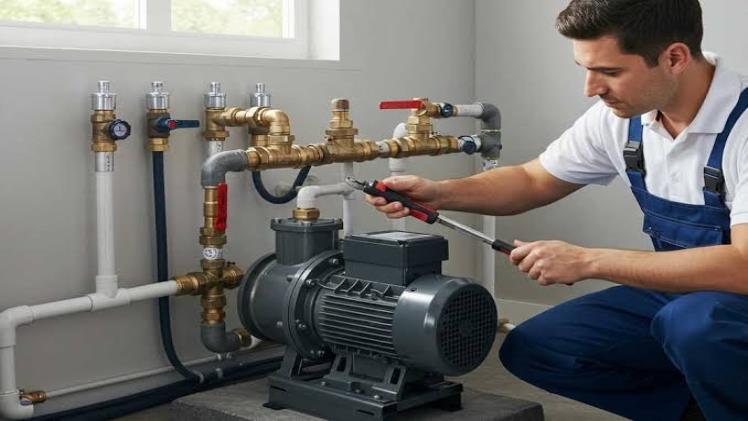
When a new pump is needed or an existing system requires an extensive overhaul, the process is generally structured to ensure long-term stability rather than just an immediate fix. A professional well pump installer typically begins by performing a comprehensive assessment of the entire system. This includes evaluating the depth and capacity of the well, the condition of the existing wiring and piping, and the specific pressure requirements of the household.
The installation of a new pump involves more than just swapping hardware. It requires verifying that the equipment is correctly sized for the specific well’s output and the home’s water usage patterns. An improperly sized pump can lead to inefficiencies, such as excessive energy consumption or frequent cycling, which places unnecessary strain on the motor and the pressure tank. A skilled provider will calibrate the pressure settings to ensure that the delivery of water is consistent and reliable throughout all fixtures in the home.
Factors That Influence System Performance and Longevity
Several factors shape the long-term outcome of your water system. One of the most significant is the water chemistry in your area. Depending on the local geological conditions, water may carry high concentrations of dissolved minerals, which can cause internal scaling within the pump and pipes. This buildup can reduce the efficiency of the pump and potentially shorten its operational lifespan.
Another critical factor is the integration of the pressure tank. As a key component of the system, the pressure tank helps regulate the demand placed on the pump motor. When the tank is functioning correctly, it prevents the pump from starting and stopping with every small usage, such as filling a glass or washing hands. This “cushioning” effect is essential for reducing mechanical wear. Homeowners should consider whether their current setup provides adequate storage capacity for their household needs and whether the air pressure within the tank is checked on a routine basis.
Practical Ways to Approach Your Water System Needs
When you find yourself in need of professional help, the best approach is to focus on finding a provider who prioritizes transparency and long-term system health. When searching for clear water services, look for professionals who are willing to explain the condition of your specific system and provide clear reasoning for any recommendations they make.
Instead of focusing solely on the price of a component, ask about the expected lifespan and maintenance requirements of the equipment being installed. A high-quality installation, paired with a commitment to preventive care, is typically more cost-effective over time than repeated interventions to address recurring issues.
Questions you might consider asking a prospective provider include:
- How does the current configuration of my system compare to standard best practices?
- What are the most common signs of wear that I should be monitoring in my specific setup?
- Does your service process include a full assessment of the pressure tank and electrical components?
- What kind of schedule do you recommend for routine performance checks?
By engaging in this level of due diligence, you can better understand your system and ensure that the well pump installer you hire is focused on providing a comprehensive, durable solution.
Taking a Sensible Next Step
Addressing the needs of your private well system does not require you to become an expert in plumbing or electrical engineering. Instead, it requires a commitment to routine observation and the selection of a trusted professional who can provide the necessary technical support.
If you suspect your system is not performing as efficiently as it should, or if you have not had a professional evaluation in several years, scheduling a routine service visit is a sensible way to gain peace of mind. By proactively managing your water infrastructure, you protect the comfort and utility of your home, ensuring that you have access to consistent, reliable water service for years to come. Start by identifying local professionals who are available to discuss your system’s current performance and can offer a thorough inspection.