Commercial upholstery in Denver and the decision to restore versus replace
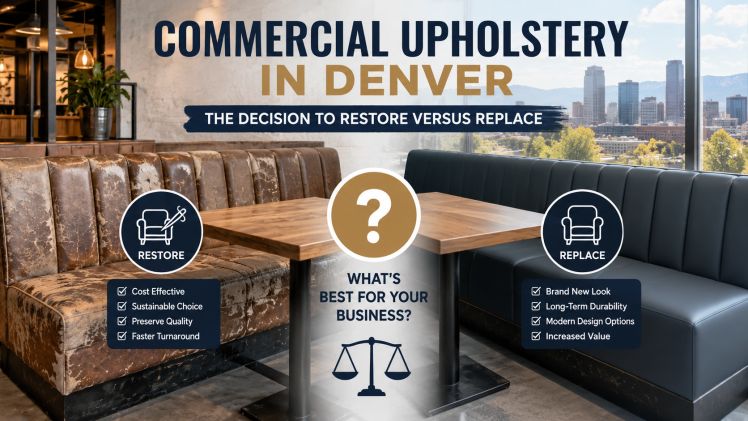
When a piece of furniture begins to show signs of wear, property owners in this region often find themselves at a crossroads. Whether it is a worn-out lobby chair in a busy office, a booth in a local restaurant, or a statement piece in a commercial space, the question of whether to repair or replace is a common challenge. For those managing businesses, the choice often impacts the budget, the aesthetic environment, and the overall impression left on visitors.
Evaluating the state of your existing furniture
Before making a final choice, it is helpful to look closely at the underlying structure of the item. Many pieces of furniture manufactured in past years were built with frames and joinery that are often more durable than some modern alternatives. If the foundation—the wood frame, the springs, and the structural integrity—remains sound, then investing in new upholstered furniture in Denver might not be the most efficient path.
When a professional examines a piece, they typically assess the frame quality first. If the wood is solid and the joints are tight, the item is often a strong candidate for a refresh. In such cases, replacing the fabric, padding, and foam can effectively reset the lifespan of the piece, allowing it to provide continued service. Conversely, if the frame itself is splintering, warped, or showing signs of deep fatigue, the cost of extensive structural repairs may begin to outweigh the benefits, making the purchase of new items a more practical consideration.
Understanding the scope of the restoration process
The process of updating commercial seating is often more involved than simply adding a new layer of fabric. Professionals who specialize in this craft typically focus on a few key areas to ensure the finished result meets the demands of a high-traffic environment.
Padding and foam are significant factors in how a piece feels and holds up over time. Over a period of use, foam tends to lose its resilience, leading to sagging and a lack of support. Replacing these internal components during the reupholstery process is a standard step that restores comfort. Additionally, commercial-grade fabric selection is vital. Businesses often require materials that are rated for high-frequency use, meaning they are tested for resistance to friction, fading, and spills. When you consult with someone about commercial upholstery in Denver, they can often help navigate the wide range of textiles that offer both durability and the desired aesthetic look.
Factors that influence the final decision
Several practical considerations can tip the balance between restoration and replacement. One of the primary factors is the consistency of your brand identity. If you have an established style that is integrated into your space, finding a new item that perfectly matches your existing decor, dimensions, and comfort level can be a difficult task. Reupholstering allows you to retain the exact fit and look you prefer, which is particularly beneficial for custom-built items or unique architectural pieces.
Another factor is the logistical impact on your operations. A total replacement requires finding the items, coordinating delivery, and managing the removal and disposal of the old furniture. Restoration is typically a more controlled process where individual pieces can be picked up, refreshed, and returned. This can be easier to manage for business owners who need to keep their spaces operational without significant disruptions to their daily routines.
Aligning the choice with your long-term goals
Every business has a different approach to their physical space. Some prioritize a modern, rotating look, while others value the longevity and character of well-made, enduring furniture. The best way to approach this decision is to consider how the furniture serves your specific environment.
Ask yourself how the items are typically used. Do they experience heavy, constant traffic throughout the day, or are they reserved for occasional use? If a piece is a high-traffic asset, the materials you choose and the quality of the workmanship are paramount. If you are leaning toward purchasing new upholstered furniture in Denver, pay attention to the manufacturer’s warranty and the testing standards used for the fabric. If you are leaning toward restoration, seek out professionals who can demonstrate their experience with commercial-grade projects and who can explain how they reinforce high-stress areas.
Engaging with a specialist who can look at your specific items in person is often the most useful step. By inviting a professional to assess your furniture, you get a clearer picture of the wear and tear beneath the surface. They can provide an honest assessment of whether the frame will support the investment of high-quality fabric, or if the structural damage is simply too great to warrant the expense.
Ultimately, both paths have their merits. Restoration can be a way to honor the quality of well-built pieces and maintain a cohesive look, while purchasing new items can be an opportunity to modernize or adjust your space to meet evolving needs. By focusing on the structural health of your current furniture and understanding the requirements of your specific industry, you can make a decision that supports both the functionality of your business and the comfort of those who visit it. Take the time to evaluate the condition of your assets, consult with professionals, and weigh the long-term utility of your choice before committing to a plan of action.