Managing Commercial Plumbing Systems Over Time
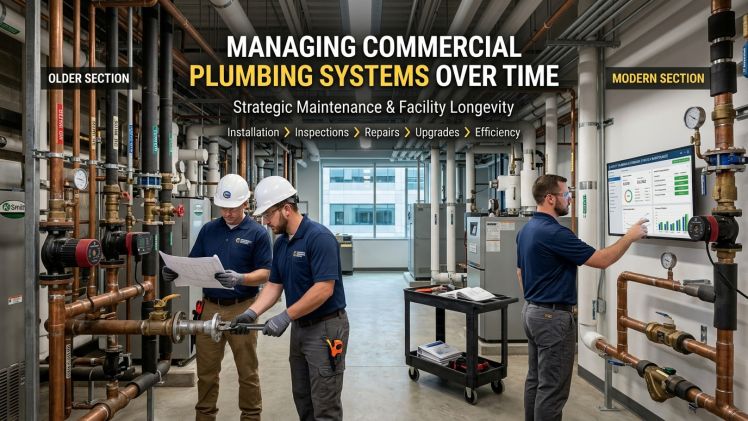
The long-term performance of commercial plumbing services in a professional facility rarely relies on a single intervention. Instead, it is the result of a deliberate, ongoing cycle of observation, preventative maintenance, and strategic repair. When facility managers and business owners shift their focus from reactive patching to a structured, lifecycle-based approach, they often find that they can maintain consistent operations while avoiding the most disruptive and expensive types of plumbing failures.
The Early Phase: Establishing a Baseline for System Health
Effective plumbing management begins with a clear understanding of the existing infrastructure. In the initial stages of ownership or management, the goal is to document the “what, where, and why” of the plumbing network. This includes mapping out the layout of high-traffic areas, identifying access points for shut-off valves, and noting which fixtures—such as high-volume kitchens, public restrooms, or specialized equipment areas—tend to experience the most frequent use.
During this stage, many facilities benefit from a comprehensive assessment by a qualified professional. A technician can help identify vulnerable points, such as pipe sections showing early signs of corrosion or drains that have historically been prone to accumulation. Establishing this baseline allows the facility team to monitor changes over time, turning vague concerns into actionable data. It is often during this phase that managers begin to distinguish between routine wear and tear and issues that require more intensive attention, such as persistent slow drains that might indicate a deeper, systemic problem.
What Changes as Infrastructure Ages
As a facility continues to operate, the demands placed on its plumbing system often evolve. High-volume usage, changes in occupancy, and the natural aging of materials can shift the system’s performance. What functioned perfectly in the early stages might begin to show signs of strain as internal deposits form or as pipe joints lose their structural integrity due to the pressure of daily operations.
A common transition point involves the gradual decline in drainage efficiency. In many cases, it is not a sudden blockage, but a slow narrowing of the pipe diameter due to the buildup of grease, minerals, or other debris. A drain cleaning plumber often observes that, left unaddressed, these partial obstructions lead to increased strain on the entire system. This can create a cascading effect: restricted flow requires more water to clear the lines, which puts additional stress on aging pipes and potentially leads to leaks or joint failures downstream. Recognizing this progression allows a facility to intervene before a routine maintenance task evolves into an emergency.
Recognizing the Indicators of Necessary Adjustments
Determining when to adjust your maintenance strategy is a core aspect of professional facility management. There are often subtle signs that suggest a system is moving from a stable state to one that requires more active intervention. Frequent gurgling sounds in the pipes, a noticeable change in water pressure at specific fixtures, or persistent odors in restrooms are all signals that the system is communicating a need for deeper evaluation.
It is also important to consider the environmental factors impacting the system. Facilities in different climates or those utilizing specific types of water systems often face unique pressures. For instance, the mineral content of local water supplies or the typical temperature of incoming water can influence how quickly deposits form inside pipe walls. A proactive facility manager typically poses questions to their maintenance provider: “Are these issues isolated to one fixture, or are they reflective of a larger blockage in the main line?” or “What techniques, such as high-pressure flushing, might be more effective than traditional clearing methods?” Engaging in this dialogue helps the team make informed decisions rather than relying on guesswork.
Sustaining Performance Through Strategic Maintenance
Over the long term, the most successful approach to commercial plumbing services involves a shift toward predictive care. Rather than waiting for a failure, successful facilities implement a schedule that aligns with their operational cycles. This might involve seasonal inspections of outdoor lines, quarterly cleaning for high-traffic grease interceptors, or routine diagnostic camera scoping to verify that the interior condition of the pipes matches the facility’s needs.
Sustaining the health of a complex plumbing network also requires an emphasis on prevention at the source. This involves training staff on proper usage, ensuring that appropriate filtration screens are in place, and having a clear plan for how to respond if a minor issue does arise. When a drain cleaning plumber is brought in as a partner rather than just an emergency contact, the focus shifts to optimizing the system’s longevity. This partnership allows for the implementation of long-term solutions, such as hydro-mechanical cleaning, which can restore flow capacity far more effectively than temporary measures.
The goal of this sustained effort is not just to keep the water running, but to ensure that the plumbing infrastructure supports the facility’s mission rather than hindering it. By treating the plumbing system as a dynamic asset that requires regular oversight, facility managers can effectively navigate the challenges of aging equipment and changing demands. This proactive stance serves as a form of insurance, safeguarding the facility’s daily productivity and protecting against the volatility of unexpected repairs. Over the long term, the consistency of a well-maintained system provides a reliable foundation for all other business activities.